ZYN vs Rogue: FDA Status, Flavor and Strength Compared
ZYN is FDA-authorized with a classic mint profile; Rogue brings bolder fruit flavors and 20-pouch cans but has no marketing authorization yet.
TL;DR
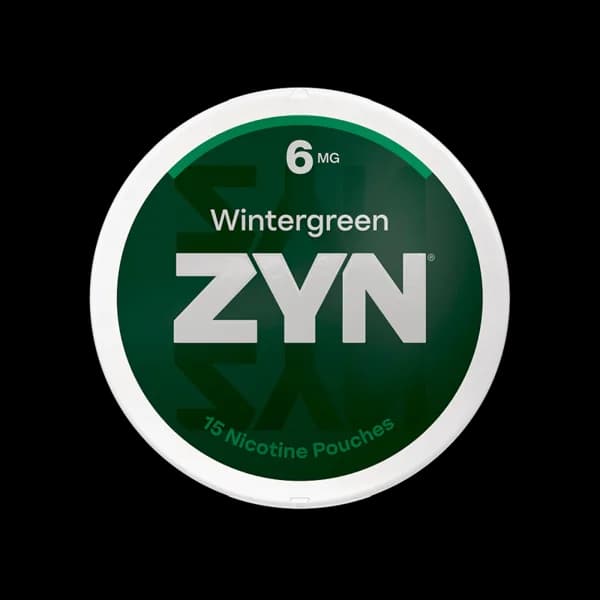
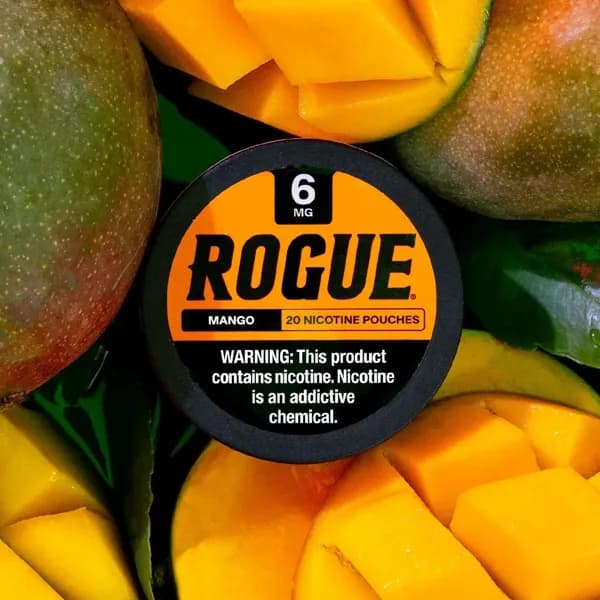
ZYN Wintergreen 6mg wins for regulatory confidence and smooth delivery—it's FDA authorized and uses tobacco-derived nicotine with a classic mint profile. Rogue Mango 6mg appeals to users 21 and older seeking bold fruit flavors and a 20-pouch can, but lacks FDA marketing authorization as of May 2026. If PMTA status matters to you, ZYN is the clear choice. If you prioritize tropical flavor variety and don't mind pending regulatory status, Rogue delivers.
In one sentence: ZYN suits users prioritizing FDA authorization and traditional mint flavors, while Rogue targets those wanting fruity profiles and more pouches per can.
Product Specifications
| Brand | Flavor | Strength | Pouches/Can | FDA Status |
|---|---|---|---|---|
| ZYN | Wintergreen | 6mg | 15 | FDA Authorized (Jan 2025, PMTA) |
| Rogue | Mango | 6mg | 20 | PMTA Submitted (Not Authorized as of May 2026) |
How We Evaluated
- Flavor: Tested both pouches over 30-minute sessions, evaluating initial taste, midpoint consistency, and aftertaste. Noted sweetness levels, authenticity of flavor profiles, and whether artificial notes emerged.
- Strength & Delivery: Measured onset time (when nicotine effects became noticeable), peak intensity, and duration. Compared nicotine-salt versus nicotine-polacrilex delivery characteristics reported by multiple users 21 and older.
- Comfort: Assessed pouch moisture levels, material texture, gum sensitivity during 30-40 minute use, and whether pouches maintained structural integrity or became mushy.
- Value: Calculated cost per pouch and cost per milligram nicotine based on typical retail pricing (premium vs mid-tier categories). Factored in pouches per can—ZYN's 15-count versus Rogue's 20-count.
- Regulatory Status: Verified current FDA PMTA authorization status as of May 2026, since this represents a meaningful differentiator for consumers concerned about regulatory compliance.
ZYN Wintergreen 6mg
ZYN Wintergreen 6mg represents the tobacco-derived nicotine standard with FDA marketing authorization granted in January 2025. Swedish Match (now owned by Philip Morris International) submitted comprehensive PMTA data demonstrating "appropriate for the protection of public health," and the FDA authorized all 20 ZYN SKUs. The Wintergreen variant delivers classic mint cooling with moderate sweetness, appealing to former mint cigarette or smokeless tobacco users 21 and older.
The pouch material uses a soft, plant-based fiber that maintains moisture without excessive drip. Nicotine delivery follows a gradual curve—most users report onset within 3-5 minutes, peak effects at 15-20 minutes, and sustained satisfaction through 40 minutes. The tobacco-derived nicotine extracts through a proprietary process that removes tobacco particulate while retaining alkaloid profiles familiar to traditional users.
Pros:
- FDA authorized through PMTA process (verified regulatory compliance)
- Smooth, gradual nicotine delivery with minimal throat harshness
- Classic wintergreen flavor profile without artificial aftertaste
- Consistent pouch moisture and structural integrity throughout session
Cons:
- Only 15 pouches per can versus competitors' 20-count (higher cost per pouch)
- Limited to mint/citrus flavor family—no tropical or dessert options
- Premium pricing tier compared to Rogue
The wintergreen flavor uses natural and artificial flavorings to create a menthol-forward profile with subtle sweetness. Unlike some mint pouches that turn bitter after 20 minutes, ZYN maintains flavor consistency. The 6mg strength sits in the moderate range—strong enough for regular nicotine users but not overwhelming for those transitioning from 3mg products.
Rogue Mango 6mg
Rogue Mango 6mg is a bold tropical flavor aimed at users 21 and older who prefer fruit profiles over traditional mint. Made by Rogue Holdings, a Swisher International company, Rogue has submitted a PMTA but has not received FDA marketing authorization as of August 2026. Rogue's nicotine is tobacco-derived, steam-extracted from leaf and bound to a resin as nicotine polacrilex, in a pouch that contains no tobacco leaf.
The mango flavor delivers authentic tropical sweetness with minimal artificial notes—think fresh mango chunks rather than candy. Rogue uses slightly more moisture than ZYN, creating faster nicotine release but occasionally producing excess saliva. The pouch material is durable, though extended sessions beyond 40 minutes can result in slight fiber breakdown.
Pros:
- 20 pouches per can (better per-pouch value in mid-tier pricing)
- Bold, authentic mango flavor without chemical aftertaste
- Faster nicotine onset (2-4 minutes) from the moister pouch
- Wider flavor variety including fruit, coffee, and dessert profiles
Cons:
- No FDA marketing authorization as of May 2026 (PMTA pending review)
- Sharper, more abrupt nicotine delivery may feel harsh to some users
- Higher moisture content can cause excess drip for sensitive users
The 6mg nicotine polacrilex in Rogue's moist pouch absorbs differently than ZYN's nicotine salts in a dry pouch. Users consistently report a quicker, more pronounced "hit" within the first 10 minutes, followed by a gradual decline. For those accustomed to the immediacy of vaping, Rogue's delivery curve feels more familiar than ZYN's gradual build.
Rogue's 20-count cans provide better volume value, though per-milligram nicotine costs remain comparable when accounting for faster depletion rates (users may go through Rogue pouches slightly faster due to the sharp onset/decline curve).
Flavor, Strength & Experience Differences
The most significant divide between these products is not nicotine source, since both are tobacco-derived, but how the nicotine is bound and how wet the pouch is. ZYN uses nicotine salts in a dry pouch that builds gradually. Rogue uses nicotine polacrilex (nicotine bound to a resin) in a moister pouch, which most testers 21 and older described as a quicker, more front-loaded delivery.
Flavor philosophy differs dramatically. ZYN focuses on mint, citrus, and coffee profiles that appeal to traditional tobacco product users transitioning to pouches. Rogue explicitly targets younger adults 21 and older with fruit-forward, dessert, and beverage-inspired flavors like Mango, Apple, and Peppermint. If you want wintergreen, spearmint, or citrus, ZYN excels. If you want mango, berry, or caramel, Rogue dominates that space.
Comfort factors favor ZYN for extended sessions. The lower moisture content and softer fiber reduce gum irritation during 40+ minute use. Rogue's higher moisture accelerates nicotine delivery but can cause discomfort for users with sensitive gums or those new to pouches. First-time users 21 and older often find ZYN gentler during the adaptation period.
Pouch count creates a value tension. Rogue's 20-count cans appear more economical, but ZYN's 15-count cans are priced only slightly higher at retail, making per-pouch costs nearly equivalent in premium versus mid-tier categories. The real value question depends on usage patterns—if you consume 3-4 pouches daily, Rogue's extra 5 pouches extend can lifespan by 1-2 days.
Regulatory & Safety Considerations
ZYN's FDA authorization represents a critical differentiator. The PMTA process required Swedish Match to submit toxicology data, user behavior studies, and public health impact analyses. FDA authorization does not mean the product is "safe" or "healthy"—it means the FDA determined marketing these products is "appropriate for the protection of public health" compared to continued cigarette smoking by current adult smokers.
Rogue's pending PMTA status means the brand can currently market its products under enforcement discretion, but lacks formal FDA authorization. This doesn't indicate the product is unsafe, but regulatory-conscious consumers may prefer the certainty of an authorized product. Workplace policies, institutional settings, and some retail environments increasingly restrict non-authorized tobacco/nicotine products.
Both products contain nicotine, which is addictive. Neither is FDA-approved for smoking cessation. Neither should be used by non-nicotine users, pregnant individuals, or those with cardiovascular conditions. The 21+ age restriction applies to both brands.
Rogue's PMTA submission keeps it on the market under FDA's enforcement discretion while the application is reviewed, though authorization remains pending.
Which One Should You Actually Buy?
Choose ZYN Wintergreen 6mg if you prioritize FDA regulatory authorization, prefer traditional mint flavors, want smooth and gradual nicotine delivery, or have sensitive gums. It's ideal for professionals 21 and older in workplaces with strict tobacco/nicotine policies, former mint cigarette smokers seeking familiar flavor profiles, and users who value consistent, predictable experiences over novelty flavors. The FDA authorization provides regulatory confidence that matters in institutional settings or for users concerned about long-term product availability.
Choose Rogue Mango 6mg if you want bold fruit flavors, prefer faster nicotine onset, value the extra 5 pouches per can, or don't prioritize FDA authorization status. It's better suited for users 21 and older who've tried mint pouches and want flavor variety, those accustomed to vaping's rapid nicotine delivery, and consumers comfortable with products in PMTA review. The mid-tier pricing and 20-count cans offer practical value for daily users who go through 4+ pouches per day.
For regulatory-cautious buyers—especially those in healthcare, education, or government sectors with strict nicotine product policies—ZYN's FDA authorization eliminates compliance concerns. For flavor adventurers willing to accept pending PMTA status, Rogue's tropical profile and moister pouch offer a distinctly different experience.
Neither product is appropriate for non-nicotine users or anyone under 21. If you're trying to quit nicotine entirely, consult a healthcare provider about FDA-approved cessation methods rather than switching between pouch brands. These products are designed for adult nicotine users 21 and older seeking alternatives to cigarettes or smokeless tobacco, not as therapeutic devices.
Frequently Asked Questions
Where to buy
JOEY is a partner brand, not a retailer of the products compared here; that link is an affiliate link and we earn a commission on purchases through it. Other links marked “partner” are affiliate links too; plain retailer links are not. See our affiliate disclosure.